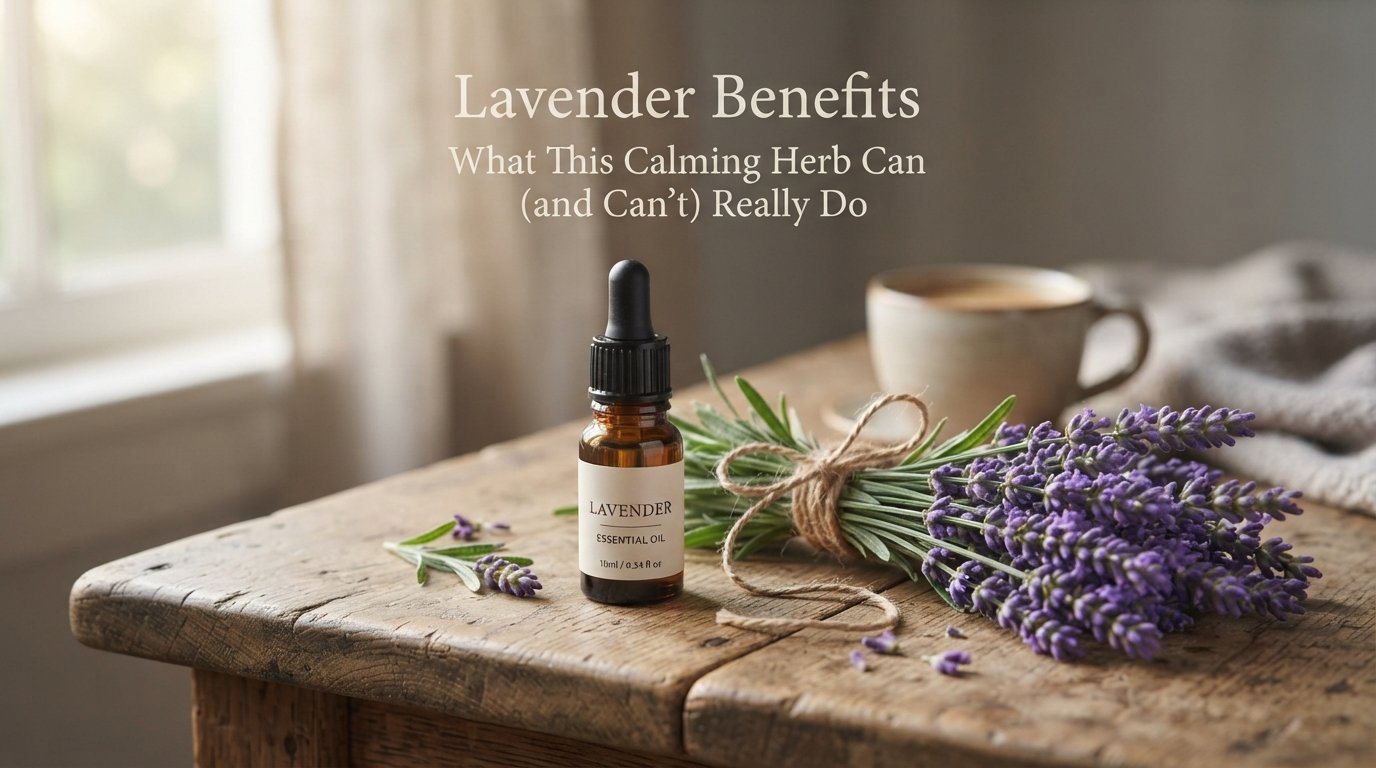

Lavender Benefits: What This Calming Herb Can (and Can’t) Really Do
There is a particular kind of quiet that settles over a room the moment someone opens a bottle of lavender oil. I noticed it the first time I visited a small lavender farm years ago, long before I started researching botanical ingredients professionally. Rows of purple stalks swaying in the wind, that unmistakable scent carried by the breeze, and a strange sense of calm that I could not fully explain at the time. It turns out I was not imagining things, and lavender’s relationship with relaxation has a much longer and more interesting story behind it than I originally realized.
In my article about chamomile benefits, I talked about how some of the gentlest herbs carry the most consistent reputations across cultures and centuries. Lavender belongs in that same conversation, but it also comes with a few more nuances worth understanding, especially since it is used in so many different forms, from teas and capsules to diffusers, oils, and skincare products.
As I always mention before diving into a topic like this, I am not a doctor, a licensed aromatherapist, or a dermatologist. I write from a place of careful research and personal experience, and this article should be treated as an informational starting point rather than medical guidance. If you are managing a health condition, are pregnant or breastfeeding, or are considering using lavender oil for a specific therapeutic purpose, please speak with a qualified healthcare professional first.
What Lavender Actually Is
Lavender is an aromatic, evergreen shrub native to the Mediterranean region, particularly areas of France, Spain, and Italy. Its name comes from the Latin word “lavare,” meaning “to wash,” which hints at how long humans have associated this plant with cleanliness, bathing, and personal care rituals.
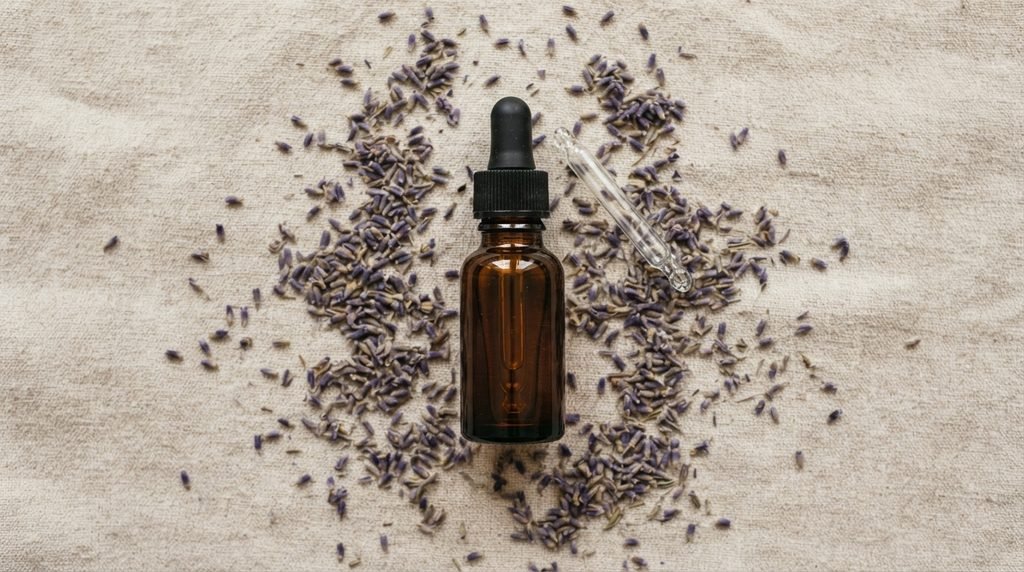
The most commonly used species is Lavandula angustifolia, often referred to as English lavender or true lavender. Its essential oil is extracted through steam distillation of the flowering tops, and this oil contains compounds like linalool and linalyl acetate, which many researchers believe are responsible for much of lavender’s calming reputation.

Lavender Through History
Lavender has been part of human self-care rituals for thousands of years. Ancient civilizations, including the Egyptians, Greeks, and Romans, used it in bathing, perfumery, and even in early forms of medicine. The Romans in particular are often credited with popularizing lavender scented baths across the empire, which lines up neatly with the meaning behind its name.
By the time lavender reached medieval Europe, it had become a staple in households, used to scent linens, freshen rooms, and support general wellbeing. This long, uninterrupted relationship between lavender and everyday self-care is part of why it still feels so familiar today, even to people who have never studied it formally.
What the Research Actually Shows About Lavender Benefits
I think this is the most important section of this article, because lavender is one of those herbs that tends to get oversold in casual wellness content. I want to walk you through what the evidence actually supports, and where the picture is still incomplete.
Anxiety and Stress
This is genuinely one of lavender’s stronger areas of research. Several studies, including a fairly large systematic review covering dozens of clinical trials, have found that oral lavender oil products showed a meaningful effect on anxiety symptoms. Inhaled lavender, such as through aromatherapy, showed a smaller but still noticeable effect, although the research in this area is more mixed due to differences in study design.
It is worth noting that most of the strongest evidence involves specific, standardized lavender oil supplements rather than simply smelling a diffuser or candle, so it is important not to assume that every lavender scented product will produce the same results discussed in these studies.
Sleep Quality
Lavender’s association with better sleep is one of the most talked about benefits, and there is some research to support it, particularly through aromatherapy used alongside a consistent bedtime routine. Some studies involving hospital patients and people undergoing stressful medical treatments found improvements in perceived sleep quality when lavender aromatherapy was introduced. That said, as with anxiety research, results vary depending on the form of lavender used and how consistently it was applied.
Skin Support
Topical lavender oil has traditionally been used for minor skin irritations, and some research has explored its potential antimicrobial and anti inflammatory properties. Historically, diluted lavender oil has been used to support the healing of minor cuts, insect bites, and irritated skin, although it is important to understand that essential oils, including lavender, must always be diluted properly before touching the skin, since undiluted application can actually cause irritation rather than relieve it.
Mood and Emotional Wellbeing
Beyond clinical anxiety measures, many people, myself included, associate lavender with a general sense of emotional steadiness. Some smaller studies have looked at lavender’s effect on mood during stressful situations, such as medical procedures, with promising but still preliminary results. I think of this less as a guaranteed mood lifting effect and more as a supportive tool that works best alongside other healthy coping habits.
How I Personally Use Lavender
I want to be transparent that some of what follows is personal preference shaped by research, rather than a strict clinical protocol.
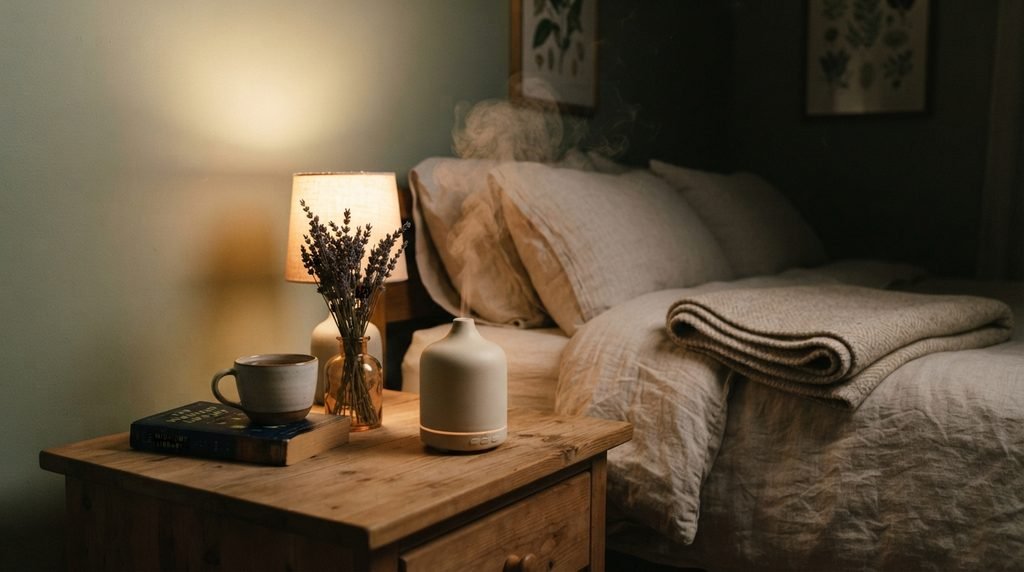
In a diffuser before bed. This is probably my most consistent use of lavender. I add a few drops to a diffuser about thirty minutes before I plan to sleep, treating it as part of a broader wind down routine rather than a sleep solution on its own.
Diluted on pulse points. Occasionally, I mix a drop or two of lavender essential oil into a carrier oil, such as jojoba oil, and apply it lightly to my wrists during particularly stressful days. I never apply essential oils undiluted directly to skin, and I always patch test a new blend first.
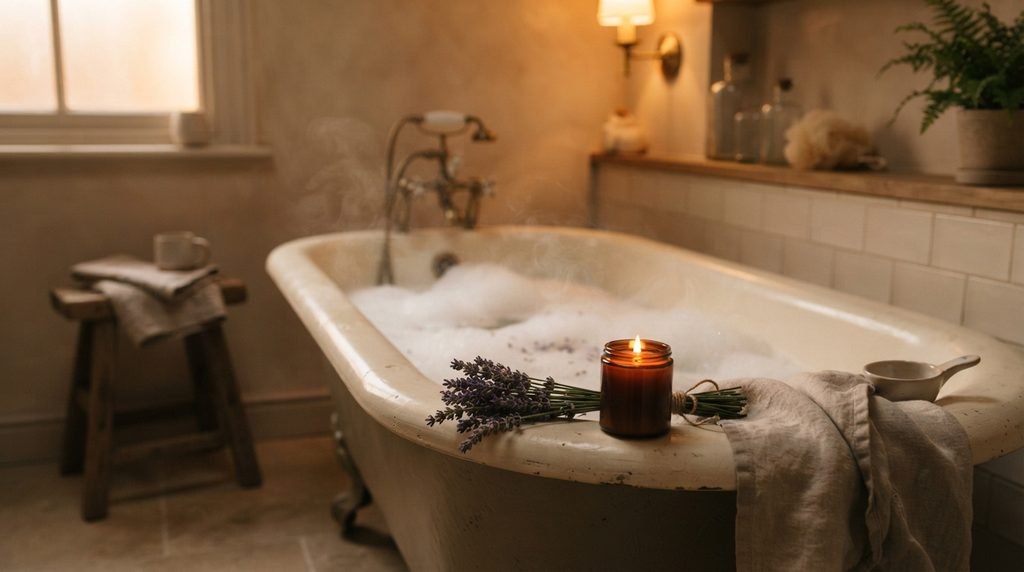
In a warm bath. Adding a few drops of lavender oil, again properly diluted or mixed into a bath friendly carrier, to warm bath water has become one of my favorite ways to unwind after a long week.
Through skincare formulations. Rather than experimenting with raw essential oil on my face, I generally prefer to look for lavender listed within thoughtfully formulated skincare products, since concentration and safety testing tend to be more consistent in these formulations compared to using pure essential oil at home.
Choosing a Quality Lavender Product
Lavender products vary enormously in quality, and this is something I think deserves more attention than it usually gets. When buying lavender essential oil, I look for products labeled specifically as Lavandula angustifolia, since other lavender species can have a different chemical profile and different safety considerations.
I also avoid products that only say “fragrance oil” or “lavender scented,” since these are often synthetic and do not carry the same properties, or research backing, as a genuine essential oil. Reading the full ingredient label, checking for third party testing when available, and buying from brands that are transparent about sourcing and extraction methods all make a meaningful difference in product quality.
Safety, Side Effects, and Who Should Be Cautious
Lavender is generally considered safe for most adults when used appropriately, but there are a few important safety points worth understanding clearly.
Undiluted lavender essential oil should never be applied directly to the skin, since this can cause irritation, allergic contact dermatitis, or, in some documented cases, photosensitivity. Diluting essential oils with a carrier oil before topical use is not optional, it is a basic safety step.
Lavender oil should never be swallowed unless it is part of a specific, standardized oral supplement product designed and labeled for that purpose. Accidental ingestion of essential oil, particularly by children, can cause serious poisoning symptoms, including throat burns, vomiting, and difficulty breathing, according to information published by the U.S. National Library of Medicine. If you suspect accidental ingestion, contacting emergency services or a poison control center immediately is essential.
There have also been some documented cases exploring a possible link between repeated topical use of certain lavender containing products and hormonal effects in children, which is part of why pediatric use of lavender oil should always be discussed with a pediatrician first, rather than assumed to be automatically safe simply because the product is natural.
If you are pregnant, breastfeeding, managing a chronic health condition, or taking medication, particularly sedative medications, please talk to your doctor or pharmacist before adding lavender oil, in any form, to your routine.
Lavender Within a Broader Natural Beauty Routine
What I find most compelling about lavender is how naturally it fits into so many different parts of a wellness routine, from bedtime rituals to skincare to simple moments of calm during a stressful day. It does not require an elaborate setup or an expensive collection of products. A small, well sourced bottle of essential oil, used thoughtfully and safely, can genuinely become part of a meaningful self-care practice.
If you enjoyed learning about lavender, I would encourage you to also read my guide on chamomile benefits, since these two herbs are often used together and share a surprisingly similar calming reputation, despite coming from very different plant families. You can also explore our full Herbs & Plants category for more botanical deep dives, or visit Natural Wellness if you are interested in building broader self-care rituals around ingredients like this one.
Frequently Asked Questions
Can I apply lavender oil directly to my skin? No, undiluted essential oil should not be applied directly to skin. Always dilute lavender oil with a carrier oil, such as jojoba or sweet almond oil, and patch test before regular use.
Is lavender safe for children? This is an area where extra caution matters, given some research raising questions about repeated topical use in children. I recommend speaking with a pediatrician before using lavender oil on or around children.
Does lavender actually help with sleep? Some research supports a possible benefit, particularly when used consistently as part of a broader bedtime routine, though it should not be treated as a guaranteed solution for conditions like chronic insomnia.
Can lavender oil be taken by mouth? Only specific, standardized oral lavender supplements, manufactured and labeled for that purpose, should be taken internally. Essential oil intended for diffusers or topical use should never be swallowed.
A Gentle Closing Thought
Lavender has earned its calm, trustworthy reputation over thousands of years, and modern research continues to support at least some of what so many cultures have believed intuitively for a very long time. At the same time, respecting this plant means understanding its limits and its safety considerations just as much as appreciating its benefits.
I hope this guide gave you a clearer, more balanced picture of lavender, one that helps you use it thoughtfully rather than simply following a trend. As always, here at FloraGlowUp, my goal is to help you build a relationship with natural ingredients that is grounded in both curiosity and care.
References
The following trusted institutions were used as sources while researching this article: