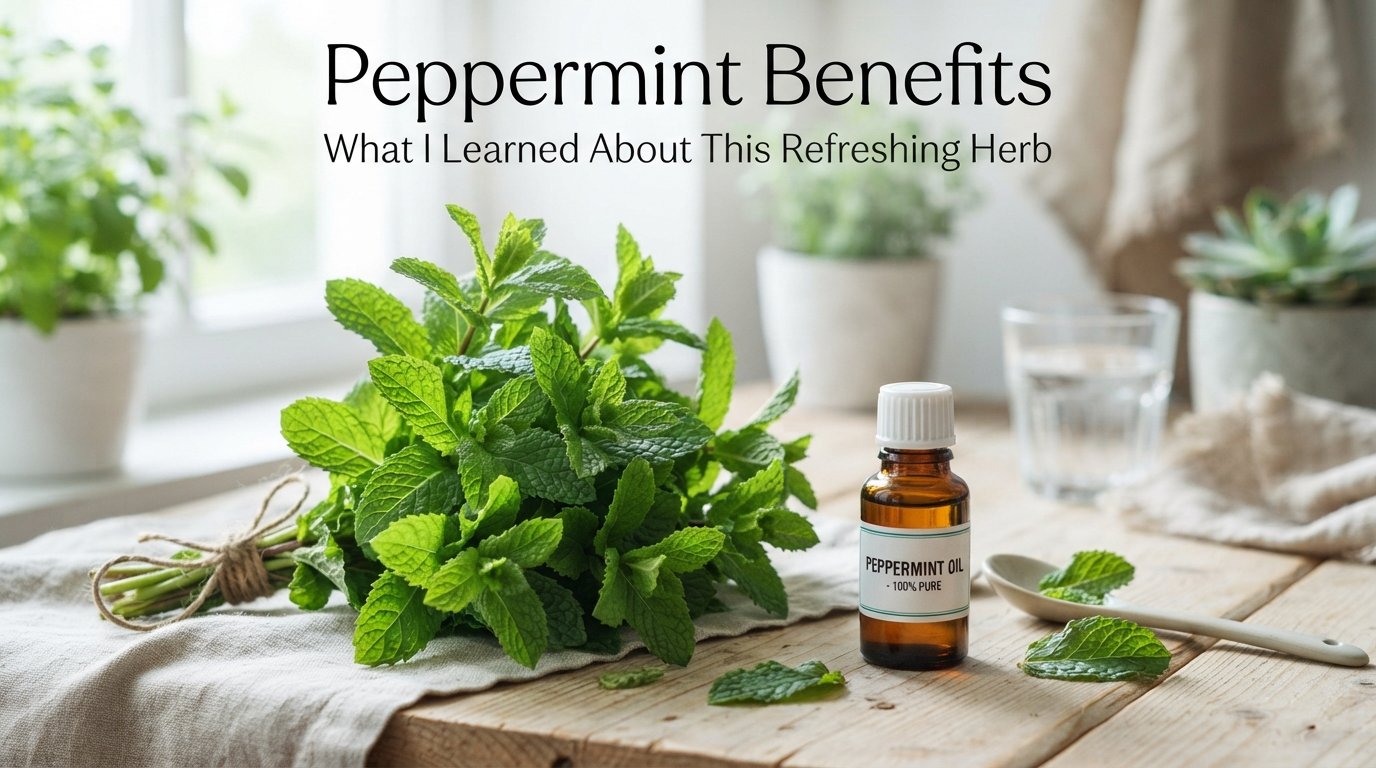

Peppermint Benefits: What I Learned About This Refreshing Herb
There is something about the smell of peppermint that instantly makes a space feel more alert and awake. I remember being surprised, years ago, to learn that this familiar, almost nostalgic scent, the one associated with candy canes and toothpaste, actually comes from a plant with a genuinely interesting history in traditional medicine, one that long predates its modern reputation as a holiday flavor.
Peppermint is one of the herbs I return to most often in my own routine, mostly because it is so versatile and so easy to find. But like every herb I write about here, I wanted to actually understand what research says about it before recommending it to anyone, rather than repeating claims I had simply heard elsewhere.
Before going further, I want to remind you that I am not a doctor or a licensed herbalist. This article is meant to inform and educate, not to replace professional medical advice. If you have a specific health condition or are considering peppermint oil for a therapeutic purpose, please talk with a qualified healthcare professional first.
What Peppermint Actually Is
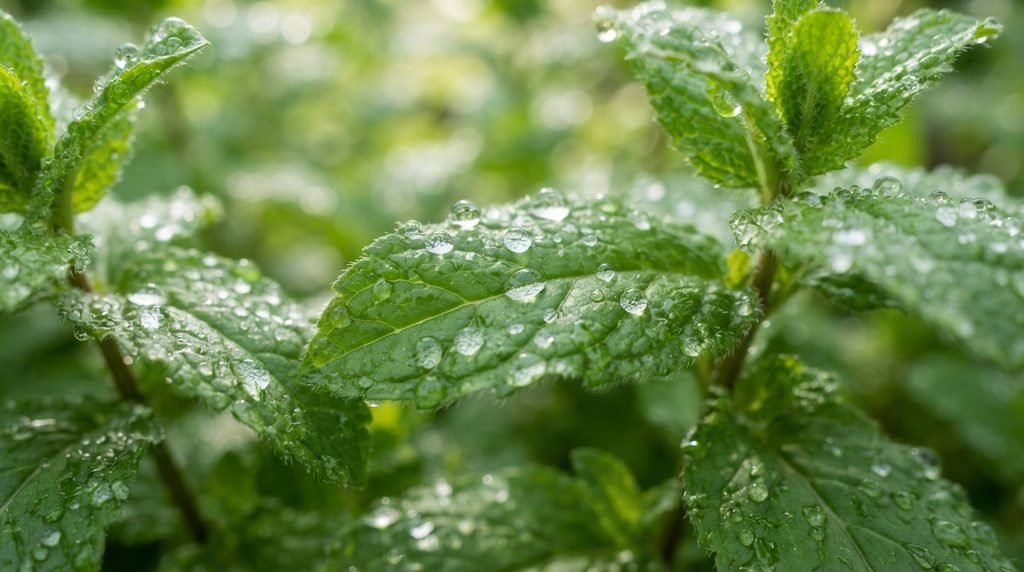
Peppermint is a hybrid plant, a natural cross between water mint and spearmint, and it grows widely across Europe and North America. Both the leaves and the essential oil extracted from the plant’s flowering parts have been used for wellness purposes for a very long time, with historical use tracing back to ancient Greece, Rome, and Egypt, particularly for digestive complaints.
The compound most responsible for peppermint’s distinctive cooling sensation and refreshing scent is menthol, which interacts with the skin and mucous membranes in a way that creates that familiar tingling, cooling feeling many of us associate with the plant.
What the Research Actually Says About Peppermint Benefits
I want to walk through this honestly, since peppermint is genuinely one of the better researched herbs in this category, though even here, some claims are stronger than others.
Digestive Comfort
This is peppermint’s most well supported area of research. According to the National Center for Complementary and Integrative Health, most research on peppermint oil has focused specifically on irritable bowel syndrome, with enteric coated peppermint oil capsules, meaning capsules designed to dissolve in the intestine rather than the stomach, showing some promising results for easing associated digestive discomfort.
This distinction matters, since it means the research largely applies to a specific, standardized oral supplement form rather than peppermint tea or diffused peppermint oil, even though those forms are also traditionally used for general digestive comfort.
Headache Relief
Diluted peppermint oil applied to the temples and forehead has a long tradition of use for tension headaches, and some smaller studies have explored this specific application with encouraging, though still preliminary, results. I find this one of the more interesting traditional uses, since the cooling sensation itself may play a role in how it is perceived to help, alongside any direct physiological effect.
Mental Alertness and Focus
Many people, myself included, associate peppermint’s scent with feeling more alert. Some research has explored inhaled peppermint aroma in relation to alertness and cognitive performance, with mixed but generally positive findings. I think of this less as a dramatic cognitive enhancer and more as a simple, pleasant way to create a moment of mental refresh during a long day.
Skin and Scalp Use
Diluted peppermint oil is sometimes used topically for its cooling sensation on the skin and scalp. Some smaller studies have looked at peppermint oil in relation to scalp comfort and hair care products, though this remains a less thoroughly researched area compared to peppermint’s digestive applications.
How I Personally Use Peppermint
I want to share this with the understanding that some of it reflects personal preference as much as strict evidence.
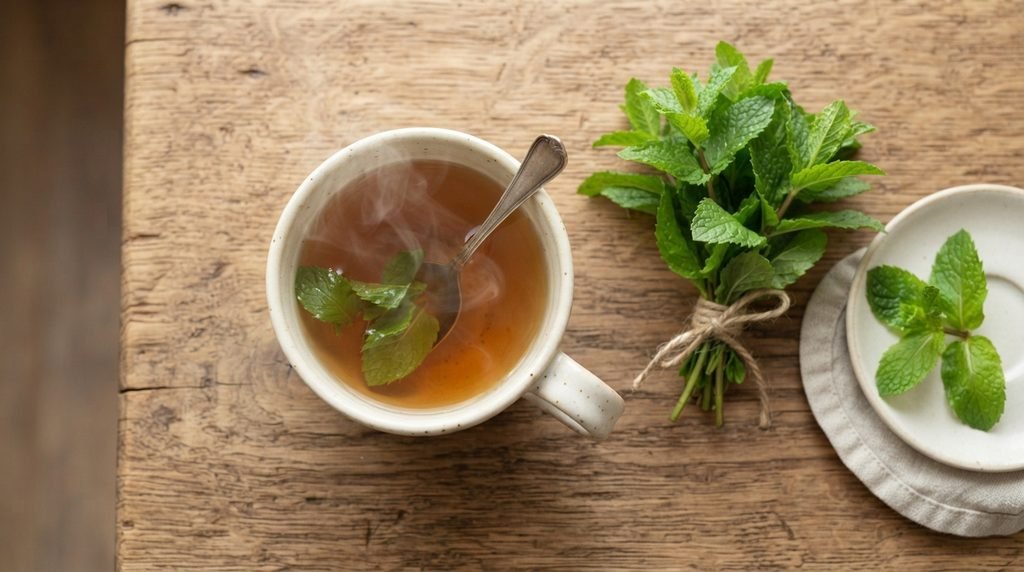
As a tea after a heavy meal. I keep dried peppermint leaves on hand and brew a simple tea when I feel like I have eaten a bit too much, treating it as a comforting ritual as much as anything else.
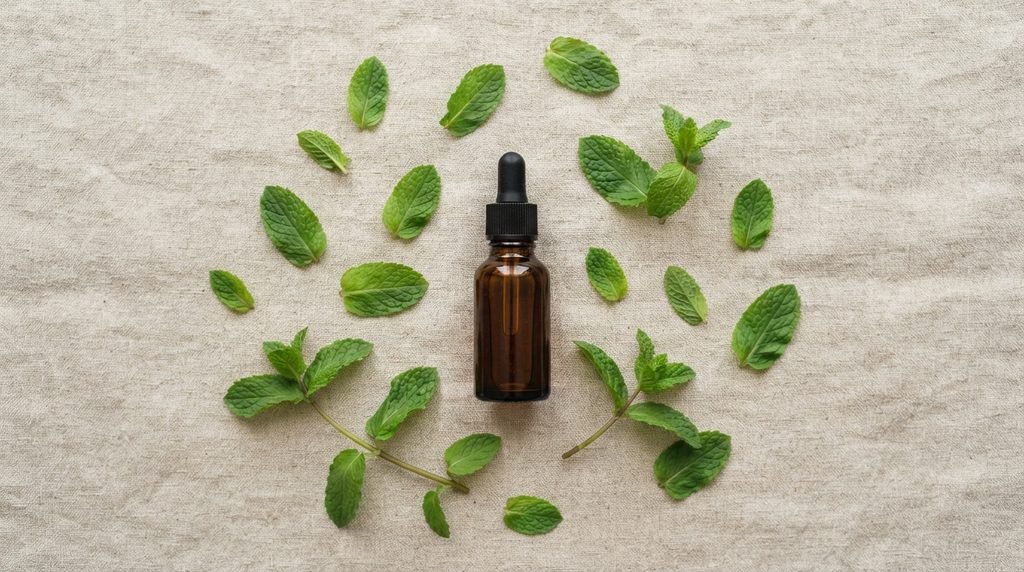
Diluted on my temples during a tension headache. I mix a drop of peppermint essential oil with a carrier oil, such as coconut or jojoba oil, and gently apply it to my temples and the back of my neck, always avoiding my eyes.
In a diffuser during a slow afternoon. On days I need a little help staying alert, I add a few drops to a diffuser rather than reaching for more caffeine, and I find the scent alone often gives me a small mental reset.
Never applied undiluted to skin. This is a rule I follow strictly, since peppermint essential oil is potent enough that undiluted application can cause irritation, even for people who do not typically consider their skin especially sensitive.
Safety, Side Effects, and Who Should Be Cautious
Peppermint in food amounts, such as tea or as a culinary herb, is generally very safe for most people. Peppermint oil, being far more concentrated, requires more careful use.
According to health sources reviewing NCCIH guidance, oral peppermint oil can occasionally cause side effects such as heartburn or nausea, and topical use can cause skin irritation in some individuals, which is why patch testing before regular use is always a good idea.
Peppermint oil should never be applied near the nose or mouth of infants or very young children, since menthol has been associated with breathing difficulties in this age group. If you are using peppermint oil while breastfeeding, it is important to wipe it off completely before nursing, since infants are particularly sensitive to menthol.
Peppermint oil may also interact with certain medications, so if you take regular prescription medication, particularly for digestive conditions, please check with your doctor or pharmacist before adding concentrated peppermint oil supplements to your routine.
Choosing Quality Peppermint Products
When buying dried peppermint for tea, I look for products that specify Mentha x piperita, the botanical name for true peppermint, since other mint varieties can have a somewhat different profile. For essential oil, I prioritize products that are transparent about sourcing and, where available, provide third party testing information, since essential oil quality and purity can vary significantly between brands.
I also avoid confusing peppermint extract, which is often diluted and intended for cooking or baking, with concentrated essential oil, since these serve very different purposes and are not interchangeable, particularly when it comes to topical or aromatherapy use.
Peppermint Alongside Other Calming Herbs
What I find interesting about peppermint, compared to some of the other herbs I have written about, is how different its energy feels. Where chamomile and lavender both lean toward calming and winding down, peppermint feels more energizing and refreshing, which makes it a nice complement rather than a replacement within a broader herbal routine.
If you are building your own collection of go to herbs, I would encourage you to think about which moments in your day you are trying to support, calm evenings might call for chamomile or lavender, while a sluggish afternoon might be a better moment to reach for peppermint instead. You can explore more of our Herbs & Plants category for additional botanical guides like this one.
Frequently Asked Questions
Is peppermint tea safe to drink every day? For most healthy adults, peppermint tea in moderate amounts is generally considered safe for regular use. If you have acid reflux, peppermint can sometimes worsen symptoms for certain people, so it is worth paying attention to how your body responds.
Can peppermint oil help with headaches? Some research suggests that diluted peppermint oil applied to the temples may help with tension headache discomfort, though it should not be treated as a replacement for appropriate medical care for frequent or severe headaches.
Is peppermint oil safe for children? Peppermint oil should not be used on or around infants and very young children due to the risk of breathing difficulties associated with menthol. For older children, I recommend speaking with a pediatrician before use.
Can I apply peppermint oil directly to my skin? No, peppermint essential oil should always be diluted with a carrier oil before topical application, since using it undiluted can cause irritation or a burning sensation, even on skin that does not typically react easily.
A Gentle Closing Thought
Peppermint has earned its familiar place in so many households, and I think that familiarity sometimes causes us to overlook just how genuinely useful, and genuinely well studied, this herb actually is. I hope this guide helped you see peppermint a little differently, not just as a holiday flavor, but as a thoughtful, versatile addition to a natural wellness routine when used safely and with realistic expectations.

References
The following trusted institutions were used as sources while researching this article: