

Aloe vera benefits for skin: What This Plant Can Really Do for Your Skin
I grew up with an aloe vera plant sitting on a kitchen windowsill, the same way many households seem to have one tucked somewhere, ready to be broken open the moment someone got a sunburn or a small kitchen burn. It was one of those plants that felt more like a household fixture than something I ever thought to research, until I started writing more seriously about natural beauty and realized how much genuine history, and how much modern skincare formulation, actually surrounds this unassuming plant.
Aloe vera might be one of the most recognizable natural beauty ingredients there is, showing up in everything from after sun gels to daily moisturizers. But recognizable does not always mean well understood, and I wanted to actually dig into what research supports before writing about it here.
As always, I want to remind you that I am not a dermatologist or a medical professional. This article is meant to inform, not to replace guidance from a qualified healthcare provider, particularly if you are considering aloe vera for a specific skin condition.
What Aloe Vera Actually Is
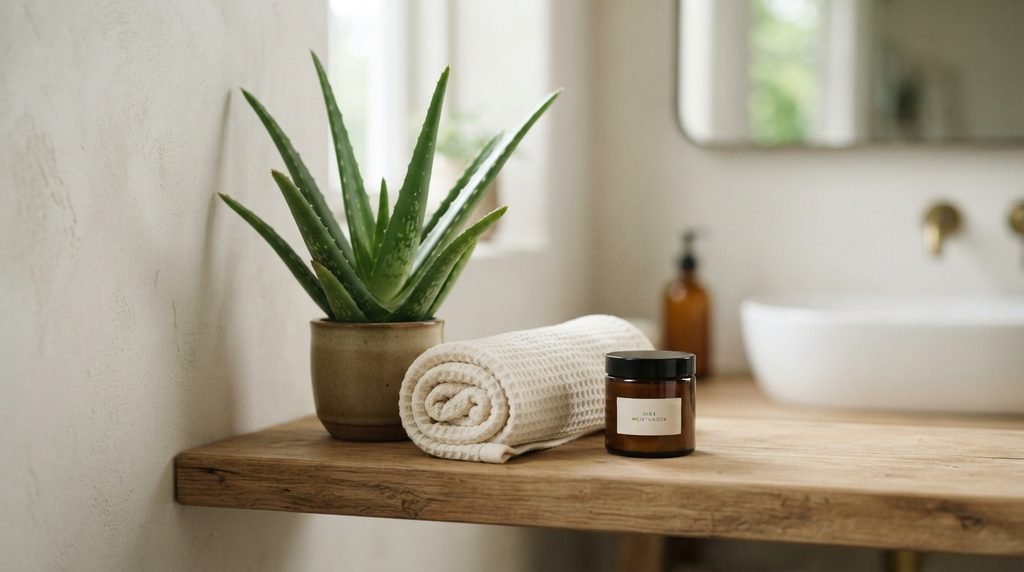
Aloe vera is a cactus like succulent plant that grows naturally in hot, dry climates, and it has been cultivated in subtropical regions around the world. According to the National Center for Complementary and Integrative Health, aloe’s use can be traced back roughly six thousand years to ancient Egypt, where it was referred to as the plant of immortality and was even included as a burial gift for deceased pharaohs.
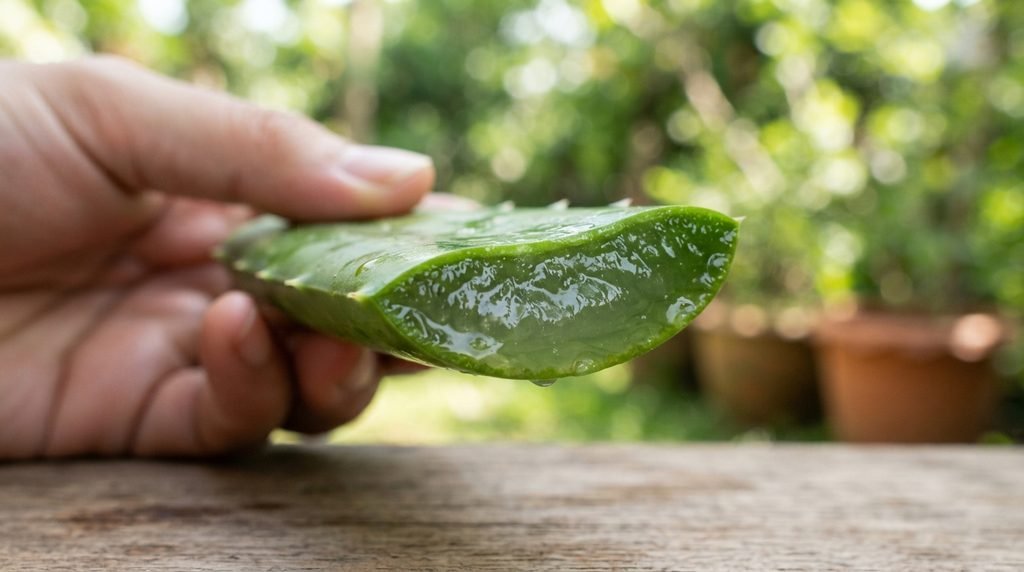
The plant itself contains two main substances used in beauty and wellness products. The clear, gel like substance found in the inner part of the leaf is what most people picture when they think of aloe vera, while the yellowish latex found just beneath the outer skin of the leaf is a different substance entirely, historically used as a laxative and treated with far more caution today.
What the Research Actually Says About Aloe Vera Benefits
I think this distinction between aloe gel and aloe latex is one of the most important things to understand before using any aloe product, so I want to walk through the research with that in mind.
Skin Soothing and Minor Wound Care
This is aloe’s most traditional and widely recognized use. Historically, aloe gel was applied topically to help soothe minor burns, sunburns, and general skin irritation, and this remains one of its most common modern applications in skincare formulations. According to NCCIH, aloe is promoted topically for conditions including burns and skin damage, and it continues to be a common ingredient in after sun and soothing skincare products.
Acne and Skin Conditions
Some preliminary research has explored aloe vera’s potential role in supporting skin affected by acne, psoriasis, and a condition called lichen planus, a itchy inflammatory skin condition. The evidence here is still considered preliminary, meaning aloe should be thought of as a potentially supportive, gentle ingredient rather than a proven standalone treatment for these conditions.
Moisturizing Properties
Aloe gel is naturally high in water content, which is part of why it has become such a popular ingredient in lightweight, hydrating skincare formulations. Many people, myself included, appreciate how quickly it absorbs compared to heavier, oil based moisturizers, which makes it a popular choice for warmer climates or oilier skin types.
What Aloe Vera Is Not Well Supported For
I think it is just as important to mention this. Oral use of aloe, meaning drinking aloe juice or taking aloe supplements internally, has a much less settled research picture, and some forms carry real safety concerns. According to NCCIH, non decolorized whole leaf aloe extract, a specific form that has not been processed to remove certain compounds, has been classified by the International Agency for Research on Cancer as a possible carcinogen when consumed orally. This is a good example of why understanding which specific form and type of a plant based ingredient you are using matters so much.
How I Personally Use Aloe Vera
I want to share this with the understanding that this reflects my own preferences alongside general research, rather than a strict protocol.
Fresh gel from the plant, for occasional minor skin soothing. When I have a small sunburn or minor skin irritation, I sometimes cut a small piece from my own aloe plant, being careful to rinse away the outer latex layer, and apply the clear inner gel directly to the area.
Aloe based gel moisturizer during warmer months. I tend to reach for lighter, aloe forward moisturizers when the weather is warmer and my skin feels like it wants less heavy hydration than it does in colder months.
Aloe as a calming layer after sun exposure. Even with consistent sunscreen use, I like keeping an aloe based after sun gel on hand, treating it as a soothing step rather than a substitute for proper sun protection in the first place.
I avoid drinking aloe juice or taking oral aloe supplements. Given the more limited and, in some cases, concerning research around oral use, I personally choose to keep my use of aloe entirely topical.
Choosing a Quality Aloe Vera Product
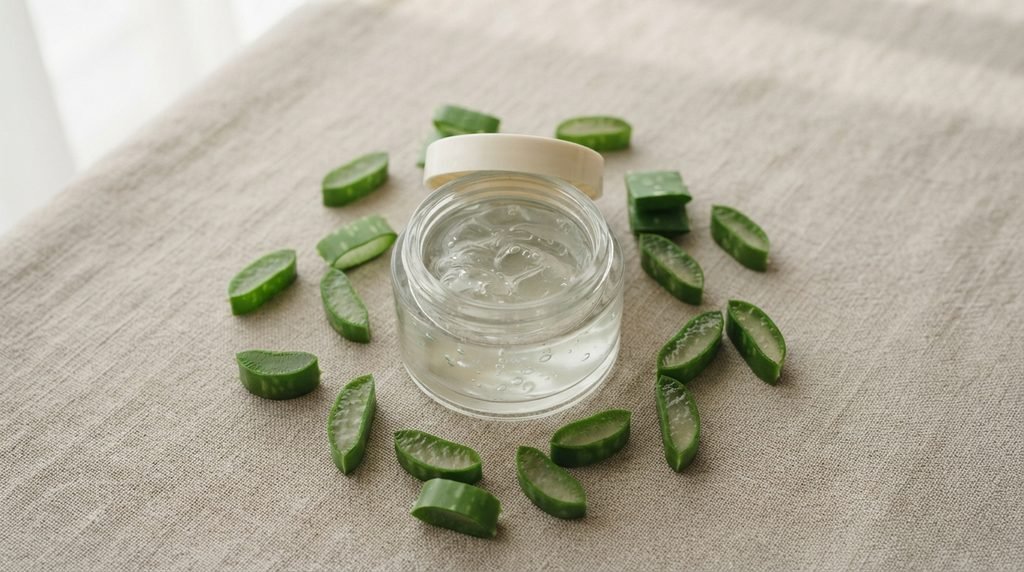
Not all aloe products are created equal, and this is something I think deserves more attention. When buying pure aloe gel, I check the ingredient list rather than trusting front of package claims like “aloe vera gel” alone, since some products are diluted significantly and contain aloe far down the ingredient list, behind water and other fillers.
I also look for products free of added alcohol and synthetic fragrance when I am specifically looking for aloe’s soothing properties, since these additional ingredients can sometimes counteract the calming effect I am hoping for in the first place.
Safety Considerations
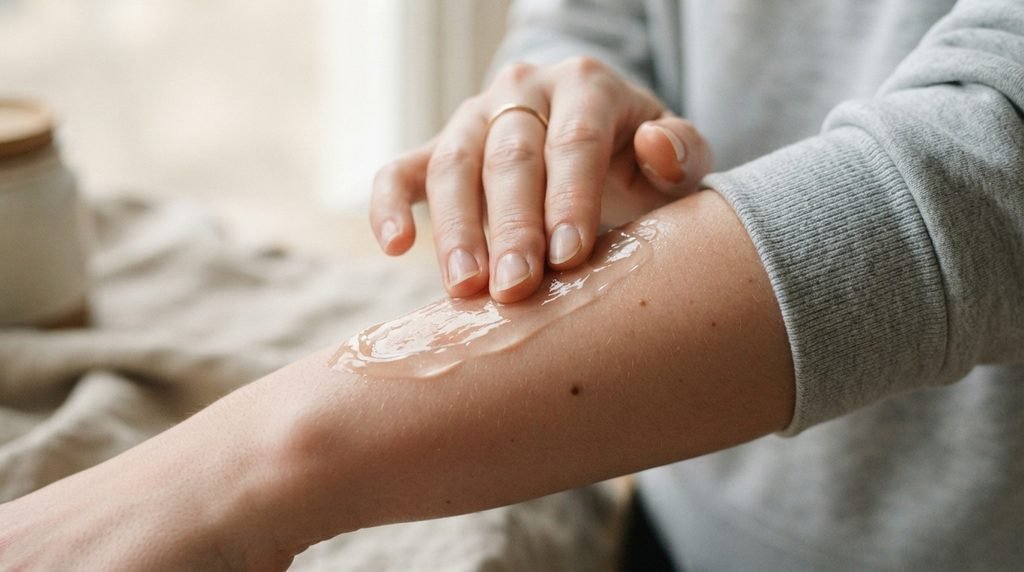
Topical aloe vera gel is generally considered safe for most people, though, as with any new skincare ingredient, patch testing before regular use is always a reasonable precaution, since some people can experience mild skin irritation.
If you are pregnant, breastfeeding, or considering oral aloe products for any reason, I would strongly encourage speaking with a doctor first, given the more limited safety data available for internal use, particularly involving non decolorized whole leaf extract.
If you have a diagnosed skin condition, such as eczema or psoriasis, and are considering aloe as part of your treatment approach, please loop in your dermatologist rather than relying solely on general information like this article, since they can advise on how aloe might fit alongside anything else you are already using.
Aloe Vera Within a Broader Natural Beauty Routine
What I find compelling about aloe is how well it represents the core idea behind natural beauty done thoughtfully. It is not a miracle ingredient, and some of the more dramatic claims made about it online outpace what current research actually supports. But used topically, in a well formulated product or straight from the plant itself, it remains a genuinely useful, gentle addition to a skincare routine, especially for warmer climates or reactive skin.
If you enjoyed this guide, you might also like my article on building a skincare routine for sensitive skin, since aloe is one of the calming ingredients I regularly reach for in that routine. You can also explore our full Natural Beauty category for more plant based skincare deep dives.
Frequently Asked Questions
Can I use aloe vera on my face every day? Many people use aloe based moisturizers daily without issue, though I recommend patch testing first and paying attention to how your specific skin responds, particularly if you have a history of sensitivity.
Is it safe to use aloe straight from the plant? Fresh aloe gel is generally safe for occasional topical use, but be sure to rinse away the yellowish latex layer beneath the outer skin of the leaf first, since this part can cause irritation for some people.
Does drinking aloe vera juice have real benefits? The research supporting oral aloe use is much less settled than for topical use, and some forms carry genuine safety concerns. I would recommend speaking with a doctor before adding oral aloe products to your routine.
Can aloe vera help with acne? Some preliminary research suggests aloe may offer supportive, gentle benefits for acne prone skin, though it should not be treated as a standalone acne treatment, particularly for moderate to severe cases.
A Gentle Closing Thought
Aloe vera has earned its familiar place in households and skincare routines around the world, and I think that familiarity is genuinely well deserved, as long as it comes with a clear understanding of what this plant can and cannot do. I hope this guide gave you a more complete picture of aloe, one that helps you use it thoughtfully rather than expecting it to do more than current research actually supports.
References
The following trusted institutions were used as sources while researching this article: